Shortages of Coins in Belgium – War, Payment Patterns and Hoarding

The National Bank of Belgium is encouraging citizens to flush out their low denomination coins and exchange them as quickly as possible, due to shortages of the 5 and 10 cents in particular.
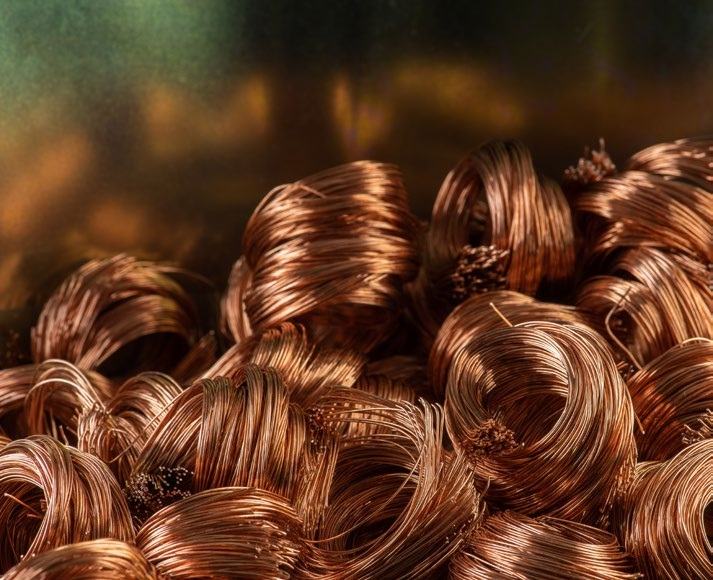
A lack of raw materials to mint replacements, particularly copper, is one reason given. The war in Ukraine and the sanctions imposed against Russia, which is the eighth largest exporter copper, is blamed.
But so too is hoarding, along with a drop in cash payments since the pandemic, resulting in coins no longer being returned and redistributed through retail and banking channels (in a similar situation to the US, whose measures to address the problem were covered in the November issue of CMN).
According to Francis Adysn of the Belgian Ministry of Finance, which – via the Royal Belgian Mint – is responsible for the procurement of coins, these are outsourced to the Royal Dutch Mint where production of the 5 and 10 euro cent coins has come to a standstill, causing problems for shopkeepers particularly, who are running out of change.
‘Like so many other sectors in Europe, the coin and medal sector is currently facing a resource problem that is causing significant delays in the delivery of the necessary production materials. As a result, there is currently a shortage of 5 and 10 euro cent coins’, he said.
The 10 euro cent yellow (Nordic Gold) alloy coins are composed of 89% copper, 5% aluminium, 5% zinc and 1% tin. The 5 euro cent is made of copper plated steel. Belgium no longer issues 1 and 2 cent coins. The problem also appears to be affecting the 20 cent coins, also made of Nordic gold, but not the 50 cent (ditto).
There are currently around 760 million 5 cent and 470 million 10 cent coins in circulation in Belgium. It is believed that households are holding an average of €26 worth of unused coins – hence the call to use them or exchange them.
Financial, trade union and small business groups are now calling for measures to be taken, including encouraging people to pay digitally and to donate coins to charity. In the meantime, commercial banks are reported to be imposing limits on the number of rolls of the affected coins that can be withdrawn.
Subscriber content
Read the full article
Full access to Coin & Mint News articles, newsletters and archives.