US Mutilated Coin Program
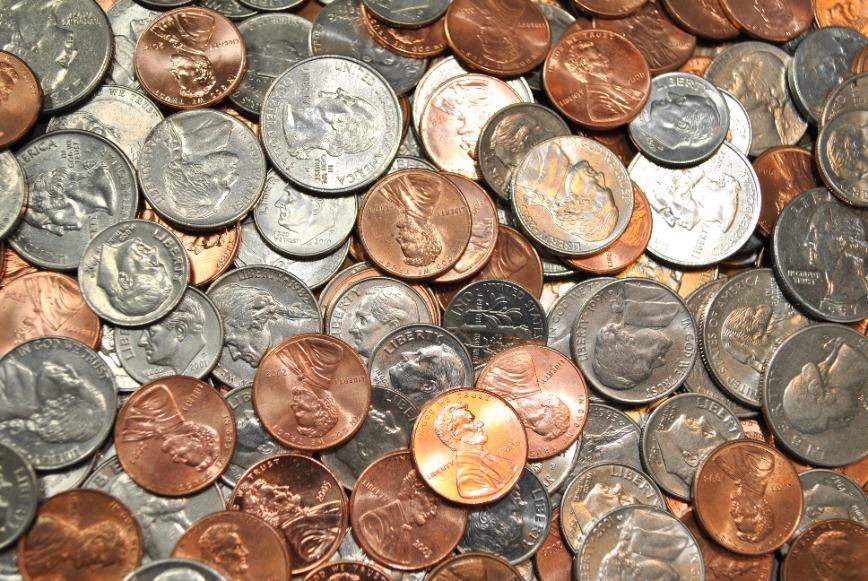
Sustainability remains a topic of interest for the cash industry, both coins and banknotes. Government mints were early adopters of sustainability and have offered for many years programs where the public or businesses could redeem damaged or mutilated coins.
In October 2022 at The Coin Conference in Amsterdam, my presentation on mutilated coin focused on the United States program, although the issue of mutilated coins and how to best recycle coin alloys is one faced by all government mints. For those not in attendance at the Coin Conference, the following is a summary of that presentation.
The US government established the Mutilated Coin Program in 1911 to serve the public and businesses for the redemption of small amounts of damaged coin. For over 100 years, the program rolled along until it was overwhelmed by the redemption of suspected counterfeits from bad actors, leading to the US Mint suspending the program in November 2015. A refresh of the mutilated coin program resumed in January 2018, but once again the US suspended it in July 2019, and the program is still idle at this time.
The mutilated coin program dilemma faced by government mints is that circulating coins typically have a higher face value than the melt value of metal alloys used for coinage. The difference between the melt value and face value results in seigniorage for the government mints or their issuing authorities. As an example, the United States Mint seigniorage for fiscal year 2022 was $310 million.
Intended as a way to redeem small amounts of damaged coins, bad actors recognised an opportunity to cash in metal alloys at the face value of circulating coins. The bad actors exploited the national mint mutilated coin programs with large deposits that contained a mix of genuine mutilated coins with counterfeit coins. The counterfeiters were able to acquire metal alloys very similar or identical to genuine circulating coins and use modern technology to create dies to stamp the counterfeit coins. The volume of mutilated coin sent for redemption overwhelmed existing mutilated coin programs that were designed to handle small deposits.
Until the national mints could develop a new strategy for handling the larger deposits that could detect the counterfeit coins, they needed to suspend the existing mutilated coin programs. Unfortunately, suspending the program affected legitimate businesses involved in handling and processing coins as well as industrial waste management companies.
In the case of the US Mint, the latest thinking about a future mutilated coin policy was published in the US Federal Register in May 2021 (Vol 86, No 85), seeking public comment. The US Mint proposed the following provisions:
Mutilated coin deposits limited by weight to 1,000 pounds per month per participant
Prohibit redemption if submission contains coins imported from outside of the United States
Preclude the redemption of coins damaged in industrial processes (such as shredders, burnishers, incinerators, exposure to elevated temperatures), or coins that have been drilled, punctured, ground, polished, etched, or chemically treated by any industrial or recycling process.
The proposed program is similar to actions taken by other national mints, but there are still issues associated with the redemption of mutilated coins. Many governments prohibit defacing currency and specifically prohibit melting coinage. In the US, there are specific prohibitions on altering, defacing, mutilating coins (US Code Title 18 Chapter 17) and the Exportation, Melting, or Treatment of 5 Cent and One-Cent Coins (Federal Register Vol. 72, No. 72 April 16, 2007). The 2007 prohibition was due to the melt value of the 1 and 5 cent coins exceeding their face values.
The coin circulation cycle is already struggling. In the US, the Get Coin Moving effort, as well as programs in other countries, are underway to encourage the public to circulate their coins. Any new mutilated coin policy must not thwart efforts to improve coin circulation. The coin cycle itself makes it difficult to determine when a coin became bent or partial and often it is the coin processors that end up detecting bent or partial coins.
The government mutilated coin programs, therefore; must strike a balance between reducing and eliminating the opportunity for fraudulent activities while sustaining the coin circulation cycle and maintaining the public’s confidence in the integrity of coin.
Here are a few different scenarios or opportunities for mutilated coin programs:
Opportunity #1 – Redeem at Melt/Recycle Value
Under this program the national mint would accept mutilated coin at the melt/recycle value, not the face value.
The advantage of this program is that it reduces the incentive for fraudulent activities because mutilated coins are redeemed at the melt value not the face value. It is easier for the government to administrate and the metals market would set the value.
The disadvantage is that individuals and especially the coin processors would absorb a loss on high denomination coins. The national mint, however, would pay more for low denomination coins where the melt value exceeds the face value.
Opportunity #2 – Redeem at Face Value for Low Denomination and Melt Value for High Denominations
Under this scenario, the incentive for fraudulent activities is reduced and the national mint does not risk paying above the face value for low denomination coins.
The disadvantage of this program is that, once again, individuals and especially the coin processors would absorb a loss on high denomination coins.
Opportunity #3 – Abolish Program and Process Mutilated Coin Through the Recycling Industry
This scenario eliminates the mutilated coin program. As such, mutilated coins enter existing recycling streams. The coins would no longer have monetary value, which reduces the opportunity for fraudulent activities.
The disadvantage of Opportunity #3 is that the national mint loses oversight of the redemption process. Without this oversight there is a potential loss of public confidence and the risk of low denomination coins with a higher melt value prematurely entering the metals recycling stream.
The final opportunity, which I believe is the best scenario for a national mint, is to establish a mutilated coin policy, with a de minimis level ($125) for mutilated coin redemption to serve the public and small businesses while adopting the ‘Know Your Customer’ concept used to combat money laundering for authorizing mutilated coin depositors that exceed the de minimis level.
Under this scenario, the national mint would determine the redemption value, choosing to honor the face value for the de minimis level while adopting the Know Your Customer provisions to determine whether to accept the mutilated coin from the depositor.
The national mint would also determine the value of the mutilated coin deposit, opting to use the melt value or face value for any deposits that exceed the de minimis level. Should the national mint decline a mutilated coin deposit, the entity would be allowed to recycle the metal alloys through existing metal recycling channels without facing legal ramifications of existing prohibitions regarding coinage.
Subscriber content
Read the full article
Full access to Coin & Mint News articles, newsletters and archives.