Health and Safety Benefits of Going Cashless

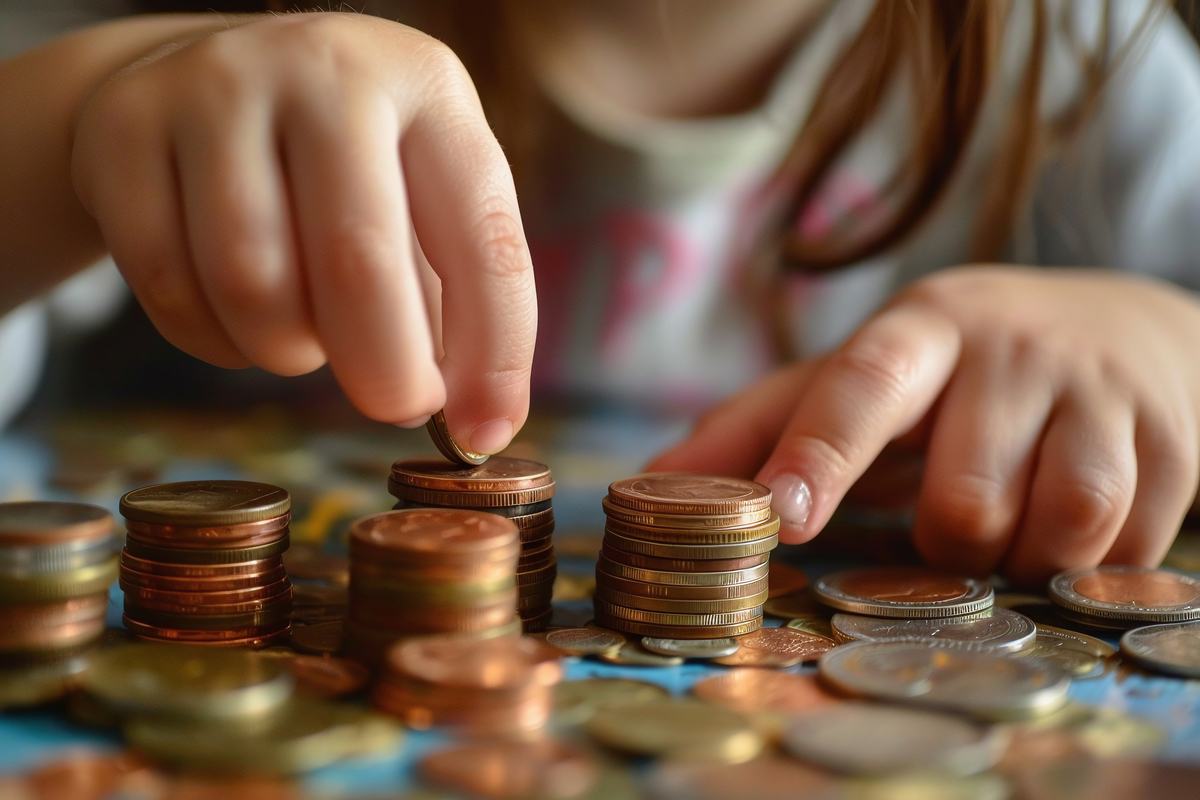
Researchers from the UK’s National Health Service have identified a possible unexpected benefit of the rise in contactless payments: fewer children are turning up at hospitals after swallowing coins or sticking them up their noses.
In a paper snappily titled ‘Coincidence? Have Cashless Payments Reduced the Incidence of Upper Aerodigestive Foreign Body Insertion’, the authors tracked the rise of contactless payments against a fall in foreign body (FB) retrieval procedures involving the alimentary tract, respiratory tract, and nasal cavity.
Covering the period 2000-2022, they found that, particularly following the fall in cash payments from 2012, there was a ‘statistically significant’ decline in the number of procedures for removal of FBs performed – by 29%.
Coins are implicated in more than 75% of swallowed FBs in children under the age of six, said the researchers. A review of endoscopies for FBs shows that 66% of the ingested FBs were coins. The fall could help save the NHS around £2.8 million per year.
Subscriber content
Read the full article
Full access to Coin & Mint News articles, newsletters and archives.